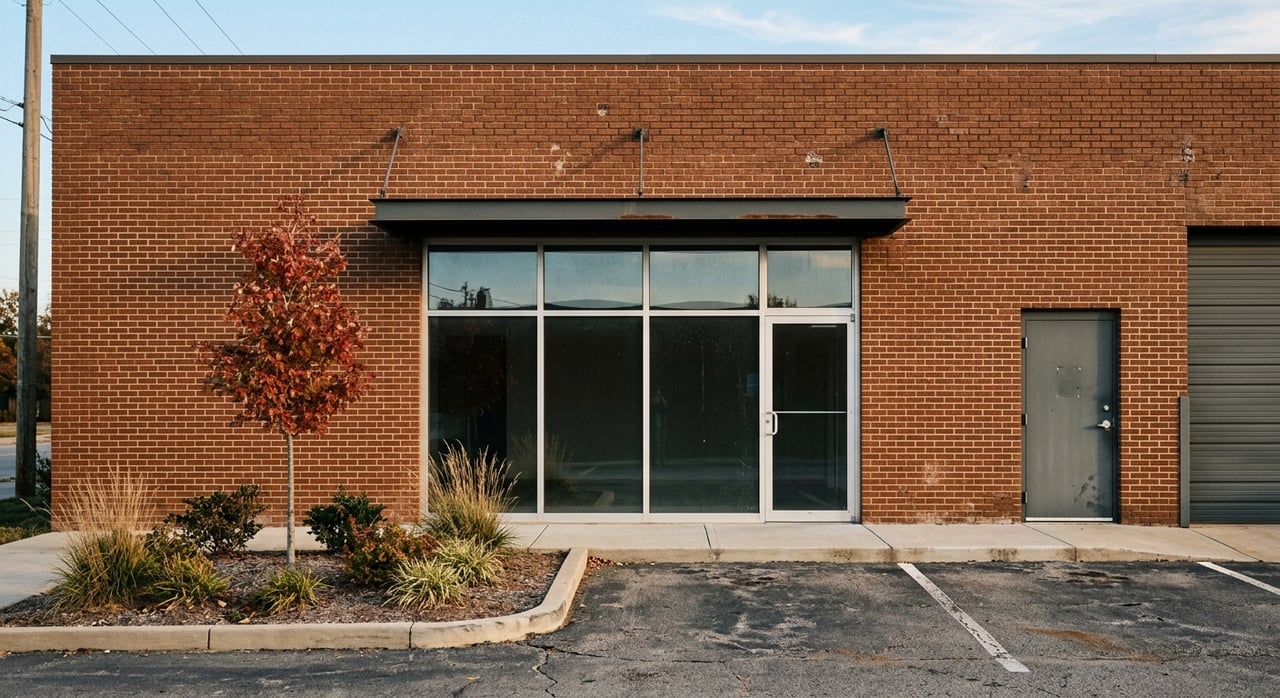
If you are looking for small-business space in Bourbon, the address matters more than you might think. A spot along US 30 can offer visibility, access, and room to grow, while another location may fit a more local, neighborhood-serving business. The key is knowing how Bourbon’s corridors, zoning, and approval steps line up with your goals before you sign anything. Let’s dive in.
Why Bourbon and US 30 stand out
Bourbon’s own development planning points to US 30 and SR 331 as the town’s main growth corridor. The town highlights industrial sites on both the east and west sides of town and is working with a 95-acre TIF district near US 30 and SR 331 for industrial and commercial jobs.
That matters if you need a location that is easy to find and easy to reach by car or truck. Bourbon’s comprehensive plan also identifies the SR 331 corridor as a gateway into town from US 30, with space intended for day-to-day retail and service uses such as professional offices, general merchandise, hotels, grocery stores, and small-scale travel centers.
For many business owners, that makes this area a practical fit when visibility and vehicle access are part of the business model. If customers, deliveries, or employees need straightforward entry and parking, the corridor can offer advantages that a tucked-away site may not.
Matching the space to your business
Not every business needs the same kind of location. In Bourbon, the best fit often comes down to whether you need neighborhood traffic, highway exposure, industrial functionality, or a mix of office and workspace.
Downtown and local-business space
Bourbon’s zoning ordinance describes a Local Business District for uses that serve surrounding residential communities and a General Business District as the central business district. In plain terms, these areas may make more sense for smaller retailers, service providers, and office users who benefit from an in-town location.
If your business depends on regular local visits rather than highway traffic, these spaces may be worth a close look. They can also be a better fit if you want to be near other town services and established business activity.
Highway-front and corridor space
Highway-oriented sites along US 30 or near SR 331 can be a stronger match for businesses that need strong visibility and convenient vehicle access. Bourbon’s planning documents point to these areas for commercial and employment growth, including uses like professional offices, travel-oriented retail, flex space, and light industrial activity.
That does not mean every parcel works the same way. Along a corridor like US 30, frontage is important, but so are turning movements, driveway placement, and how customers can safely enter and leave the property.
Industrial and flex space
If you need warehouse, fabrication, assembly, or light industrial space, Bourbon’s planning framework is especially relevant. The town’s comprehensive plan specifically lists manufacturing, fabrication assemblies, light industrial centers, flex space buildings, and corporate offices as desired uses in the TIF district near US 30 and SR 331.
Bourbon’s zoning ordinance also notes that light industrial uses need a complete range of infrastructure and convenient transportation access. Heavy industrial uses need similar infrastructure and are intended to be heavily buffered from nearby uses.
What to check before you fall in love with a site
A building can look right on paper and still create problems if the parcel does not line up with your use, access needs, or permit requirements. Before you commit to a purchase or lease, it helps to run through the practical items first.
Confirm the zoning classification
Marshall County’s Planning Department administers zoning classifications, site-plan approvals, variances, and improvement location permits. The department also helps the public understand permitted uses and development standards, which makes it one of your first stops when you are evaluating a site.
Bourbon’s ordinance adds an important detail: if a use is not listed, it is not permitted unless the Planning Director determines otherwise. That decision can be appealed to the Board of Zoning Appeals, but the smart move is to verify the use early instead of assuming it will work out later.
Check the parcel on the zoning map
Bourbon’s official zoning map is maintained as a GIS layer under the Planning Director. That means you can confirm a parcel’s zoning before making an offer or signing a lease.
This step sounds simple, but it can save time and money. A property that looks ideal from the road may not be zoned for the business activity you plan to bring there.
Review access and driveway issues
Along US 30, access is part of the property’s value. INDOT notes that access management regulates access for properties that abut a road or highway, so driveway placement and turning movements are not just minor details.
For a small business, this can affect daily operations in a big way. If customers cannot enter easily, or if trucks struggle with circulation, the site may be less functional than it first appears.
Understand permit requirements early
Marshall County’s Building Department says several items must be completed before a permit application can be submitted. These can include a site plan, lot-line dimensions, an assigned address, driveway approval if needed, water or sewer or septic approvals if needed, contractor registration, drainage approval if needed, and a construction design release if required.
That is why zoning review and permit review should happen before your final commitment. If build-out or occupancy depends on approvals you have not yet confirmed, your timeline and budget can shift fast.
Parking and signage can make or break a deal
Many small-business owners focus first on price, square footage, and location. Those are important, but parking and signage often shape how usable the property really is.
Parking basics in Bourbon
Bourbon requires off-street parking spaces to be at least 9 feet by 18 feet. The ordinance allows shared parking in some cases, but only when total parking still meets demand.
That matters in multi-tenant properties. If you are considering office or retail space with shared parking, ask whether the current arrangement still meets the code and your expected customer flow.
Sign rules matter too
The zoning ordinance includes sign limits that can affect visibility and branding. Pole signs are prohibited in C-1, off-premise signs are allowed only in C-2, I-1, and I-2, and multi-tenant directories for up to four tenants are allowed as one permitted sign type.
The ordinance also limits nonresidential real-estate signs to 32 square feet. If roadside exposure is part of your strategy, sign rules should be part of your review before you move forward.
Buying versus leasing in Bourbon
The right choice depends on your timeline, cash needs, and how certain you are about the location. Both options can work, but they solve different problems.
When leasing may make sense
Leasing can be a practical choice if you want lower upfront cash needs or want to test a location before making a long-term commitment. That can be especially helpful if you are still refining your space needs or want flexibility as the business grows.
At the same time, lease terms deserve careful review. Items like the lease term, renewal rights, use restrictions, and early termination risk can have a major impact on your cost and flexibility.
When buying may make sense
Buying may fit better if you expect to stay long term and can support the upfront cash or financing needs. Ownership can also make more sense if you plan to invest heavily in improvements and want more control over the property.
If you are looking at owner-occupied commercial real estate, the SBA 504 loan program can be relevant. According to SBA guidance, it can be used to buy land or existing buildings, build new facilities, or improve land, streets, utilities, parking lots, landscaping, and existing facilities.
Think past the sale price or rent
Whether you buy or lease, the space cost is only part of the equation. You also need to look at zoning, permits, utility availability, drainage, build-out needs, and whether the numbers still work after those costs are included.
For buyers especially, due diligence should go beyond the building itself. Reviewing zoning requirements, licenses and permits, environmental concerns, contracts, leases, financial statements, and tax records can help you avoid expensive surprises.
Local incentives may shape your options
In some cases, the location decision is not just about the building. It is also about what the site may qualify for.
Bourbon’s plan says the town is using a 95-acre TIF district near US 30 and SR 331 and offers a 10-year tax abatement for new industrial businesses. Marshall County Economic Development Corporation also lists tools such as New Markets Tax Credits, Opportunity Zones, build-to-suit options, economic development revenue bond issuances, and tax abatements for real and personal property.
Not every business or parcel will qualify, and these programs need to be verified case by case. Still, if you are comparing sites, incentives can be worth asking about early in the process.
A practical short list for site selection
If you are comparing small-business spaces in Bourbon or along US 30, start with a simple checklist:
- Confirm the parcel’s zoning classification
- Verify your use is permitted
- Check access, turning movement, and driveway realities
- Review parking count and layout
- Review signage limits for the district
- Ask what permits or approvals are required before occupancy
- Confirm utility, sewer, septic, and drainage needs
- Compare lease or purchase terms against your long-term plan
- Ask whether the property may fit any local incentive programs
A calm, step-by-step review usually beats a fast decision based on frontage alone. The best location is not always the one that looks busiest from the road. It is the one that supports your operations, fits local rules, and still makes financial sense after the details are reviewed.
If you are sorting through commercial opportunities in Bourbon, Plymouth, or elsewhere in Marshall County, local guidance can make the process much easier. Jim Masterson offers practical, steady help with for-sale and for-lease property options so you can evaluate space with clearer expectations and fewer surprises.
FAQs
How do you check if a business use is allowed in Bourbon?
- Start with the parcel’s zoning classification and confirm the use with Marshall County Planning, which administers zoning, site-plan approvals, variances, and development standards.
What matters most on a US 30 commercial site in Bourbon?
- Visibility is important, but access, turning movements, driveway placement, signage, and parking can be just as important to how the site works day to day.
What should you review before leasing small-business space in Bourbon?
- Focus on the lease term, renewal rights, use restrictions, early termination risk, parking arrangements, signage rules, and whether your intended use is actually permitted.
What should you verify before buying commercial property in Bourbon?
- Check zoning, permit requirements, utility availability, drainage needs, environmental concerns, access details, and whether the budget still works after build-out and financing costs.
Are there business incentives near US 30 and SR 331 in Bourbon?
- Bourbon’s planning materials reference a 95-acre TIF district and a 10-year tax abatement for new industrial businesses, while county-level development materials list other possible incentive tools that should be verified for the specific project.
